Peptide policy update
What the July 2026 FDA peptide panel vote means
Published · Updated · Reviewed by the Rite Aid Health Team
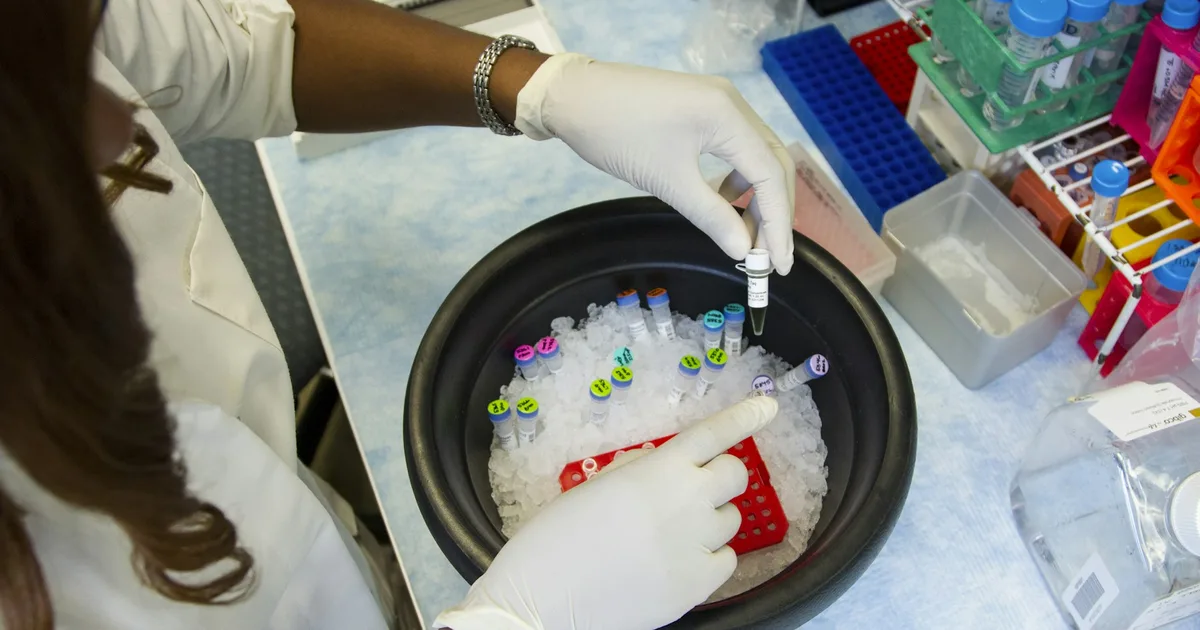
On July 23 and 24, 2026, an FDA advisory committee recommended six peptide-related substances for the Section 503A Bulks List and voted against emideltide.
Official meeting recordings
Watch the FDA committee discussion, presentations, and votes from both meeting days. The status table places the recommendations within the regulatory process.
| Subject | Official record | What it means |
|---|---|---|
| BPC-157, KPV, TB-500, MOTS-c, Epitalon, and Semax | Favorable advisory recommendation | FDA must still take formal action before federal compounding status changes. |
| Emideltide (DSIP) | Unfavorable advisory recommendation | The committee did not support the proposed addition. |
Get the Free Peptide Tracking Toolkit
One guide for the questions you have now. One workbook for the details you keep.

Excel workbook
11 worksheets for vials, schedules, labs, storage, and more.

PDF guide
Review providers, products, documents, storage, and travel.
Free download
Useful before or after you start
- Before you start, compare the details that matter and build a focused question list.
- Already using peptides? Keep vials, administration, sites, wellness notes, labs, storage, and travel together.
- Separate your schedule from what actually happened, so important dates are easier to spot.
- Keep your private working copy on your own device.
Confirm your email to receive both downloads and your personal 20% off coupon.
Almost done
We sent the first email to .
Confirm your email to get the toolkit and your 20% off coupon.
We also sent a verification text. Reply YES to confirm your phone number.
-
1
Confirm your email
Open the first email and click the confirmation link.
-
2
Only after step 1
Then the toolkit arrives
We email your Excel workbook and PDF guide right away. Your personal 20% off coupon follows when ordering opens.
The first email should arrive within a minute. Do not see it? Check spam or promotions.
Tell us where to send it
Free, no spam, only peptide news that matters. Unsubscribe anytime.
What the committee recommended
The committee voted in favor of BPC-157, KPV, TB-500, MOTS-c, Epitalon, and Semax for the Section 503A Bulks List. It voted against emideltide, also called DSIP. The recommendations now become part of FDA’s compounding-policy record.
FDA reviewed specific proposed uses. They included ulcerative colitis for BPC-157, wound healing and inflammatory conditions for KPV, wound healing for TB-500, obesity and osteoporosis for MOTS-c, insomnia for Epitalon, and selected neurologic uses for Semax.
What the status means today
An advisory vote is expert advice to FDA. Placement on the Section 503A Bulks List can make a bulk substance eligible for patient-specific compounding when federal and state conditions are met. Drug approval evaluates a specific finished product, dose, indication, manufacturing process, and label.
The vote did not change current federal access rules. Pharmacies should continue applying the existing compounding requirements, and patients should not interpret a favorable recommendation as approval of a product, use, dosage, or schedule. Emideltide left the meeting without committee support, but FDA still makes the final regulatory decision.
What FDA reviewed for each substance
The briefing documents give each peptide its own record. BPC-157 has extensive animal research with little human evidence. FDA reported no direct human administration studies for TB-500 and no human exposure data for KPV. MOTS-c has cell and animal findings, human physiology research, and a registered clinical trial without posted outcomes at the time of review.
That evidence explains why the vote cannot answer every question about a recovery stack, anti-aging routine, injection schedule, or commercial blend. Those uses need evidence that directly studies the product and outcome.
Product quality remains a separate check
FDA’s reviews discuss immune reactions, aggregation, impurities, sterility, and active-ingredient characterization for injectable products. Those questions depend on the exact material and manufacturing process, not the popularity of a peptide name.
A certificate of analysis can report selected batch tests. Identity, quantity, purity, sterility, and endotoxin require different results, and a COA does not establish a clinical benefit.
What happens next
FDA will consider the committee record and finish its reviews. A proposed rule, final rule, updated federal bulks list, or another formal agency notice would mark the next practical status change.
Sport rules follow a separate system, so athletes should continue checking the current prohibited list for the exact substance.
Sources
- FDA meeting page and materials
- FDA briefing introduction
- FDA BPC-157 briefing document
- FDA emideltide briefing document
- FDA Epitalon briefing document
- FDA KPV briefing document
- FDA MOTS-c briefing document
- FDA Semax briefing document
- FDA TB-500 briefing document
- FDA meeting recording — July 23
- FDA meeting recording — July 24
- FDA compounding safety-risk table