
Anemia Profile (Basic)
Blood Test for Constant Fatigue and Dizziness
What this test measures
Absolute Promyelocytes
White Blood Cell Count
An elevated white blood cell count can indicate an infection or inflammation in the body.
Red Blood Cell Count
A low red blood cell count often indicates anemia, which can result from a variety of causes, including nutritional deficiencies, blood loss, or underlying disease.
Hemoglobin
Low hemoglobin levels can indicate anemia, a condition where the body does not have enough red blood cells or hemoglobin.
Hematocrit
Acute hemorrhage causes immediate drop in hematocrit, though initial values may be falsely normal until fluid shifts occur. Hematocrit directly measures blood loss severity and guides transfusion decisions.
MCV
A high MCV can indicate macrocytic anemia, often caused by a deficiency in vitamin B12 or folate.
MCH
Abnormal MCH levels can indicate different types of anemia. A high MCH can suggest macrocytic anemia, while a low MCH can suggest microcytic anemia.
MCHC
Low MCHC values can indicate hypochromic anemia, a condition where red blood cells don't have enough hemoglobin. High MCHC values can suggest spherocytosis, a condition where red blood cells are misshapen.
RDW
Higher RDW levels can indicate anemia, as it reflects variation in red blood cell size or volume. This is often seen in conditions where red blood cells are being destroyed or produced inappropriately.
Platelet Count
Lymphoid malignancy presenting with thrombocytopenia in >80% of cases due to marrow replacement. Platelet count is critical for bleeding risk assessment and monitoring remission.
MPV
High MPV levels may indicate a condition where the body is producing too many platelets, which can lead to blood clots.
Absolute Neutrophils
Low levels of absolute neutrophils can indicate a condition called neutropenia, which can result from various causes like infections, cancers, or drugs that damage the bone marrow.
Absolute Metamyelocytes
Absolute Myelocytes
Absolute Lymphocytes
Increased absolute lymphocyte count can indicate a viral infection or a condition like lymphocytic leukemia, while a low count can suggest a weakened immune system.
Absolute Monocytes
Monocytopenia, or low levels of monocytes, can occur due to certain infections or treatments such as chemotherapy.
Absolute Eosinophils
Eosinopenia is a lower than normal level of eosinophils. It may be caused by acute stress conditions, such as surgery, shock, or severe trauma.
Absolute Basophils
Absolute Blasts
A high number of blast cells (immature blood cells) can indicate Acute Leukemia, a type of cancer that affects the blood and bone marrow.
Absolute Nucleated Rbc
Neutrophils
Neutrophilia with left shift is a classic finding in acute appendicitis. Elevated neutrophils support clinical diagnosis and help differentiate from other causes of abdominal pain.
Metamyelocytes
Increased levels may indicate a disorder with increased bone marrow activity, such as polycythemia vera or essential thrombocythemia.
Myelocytes
The presence of myelocytes in the blood can indicate a form of leukemia known as myelogenous leukemia.
Promyelocytes
Lymphocytes
Characterized by malignant proliferation of lymphoblasts causing marked lymphocytosis with abnormal immature lymphocytes. Lymphocyte count is directly diagnostic and used for monitoring treatment response and detecting relapse.
Reactive Lymphocytes
Monocytes
Any condition causing bone marrow failure leads to decreased monocyte production and monocytopenia as monocytes are produced exclusively in bone marrow.
Eosinophils
Rapidly progressive respiratory illness with diffuse pulmonary infiltrates and eosinophils >25% on BAL fluid. Peripheral eosinophilia may be absent initially but develops during course. Eosinophil count aids diagnosis and monitoring.
Basophils
Increased levels of basophils are typically associated with allergic reactions or inflammation, as these cells play a role in the body's immune response.
Blasts
An increase in the number of blast cells can indicate a type of blood cancer known as leukemia, where the bone marrow produces too many immature white blood cells.
Nucleated RBC
The presence of nucleated red blood cells can suggest a bone marrow disorder or severe hemolytic anemia, as these cells are typically only found in the bone marrow.
White Blood Cells
Leukocytosis refers to a high white blood cell count, often occurring in response to infection, inflammation, malignancies, or physical or emotional stress.
Red Blood Cells
Low red blood cell count can indicate various types of anemia, including iron deficiency anemia, vitamin B12 deficiency anemia, or aplastic anemia.
Segmented Neutrophils
Increased levels of segmented neutrophils can be a sign of an ongoing bacterial infection or inflammation, as these cells are a part of the body's first line of defense.
Metamyelocyte
Myelocyte
An increase in myelocytes is often associated with Chronic Myelogenous Leukemia, a type of blood and bone marrow cancer.
Promyelocyte
An increase in promyelocyte count is associated with Acute Promyelocytic Leukemia, a type of blood cancer.
Nucleated RBCs
Smudge Cells
Smudge cells are often found in higher numbers in people with Chronic Lymphocytic Leukemia. They are remnants of fragile leukemia cells that break apart during the preparation of a blood smear.
Iron Binding Capacity
Hemochromatosis is a condition that causes the body to absorb too much iron from the food you eat. In this condition, the iron binding capacity might be low because of the excess iron.
% Saturation
In chronic kidney disease, the percentage of saturation might be low due to the reduced erythropoiesis.
Iron, Total
In chronic infections and inflammatory diseases, total iron levels can be low due to the body's response to inflammation and infection.
Reticulocyte Count, Automated
Iron deficiency anemia is a common type of anemia that occurs when your body doesn't have enough iron to produce hemoglobin. A low automated reticulocyte count may indicate that the body is not producing enough red blood cells due to lack of iron.
Reticulocyte, Absolute
Chronic diseases such as cancer or autoimmune diseases can affect the production of reticulocytes. A low absolute reticulocyte count could therefore indicate an underlying chronic disease.
Three steps from order to answer
Order online
Purchase securely on this page. Choose your nearest Quest Diagnostics draw site at checkout. Over 2,200 locations nationwide.
Takes about 2 minutes
Get your blood drawn
Book a time at your chosen location. A standard blood draw takes about 5 minutes. Your lab order is sent automatically when you purchase.
About 5 minutes at the lab
Review your results
Results arrive in your secure online portal in 1 to 2 business days. Each marker includes a plain-English explanation and reference range, not just a number.
Results in 1 to 2 business days
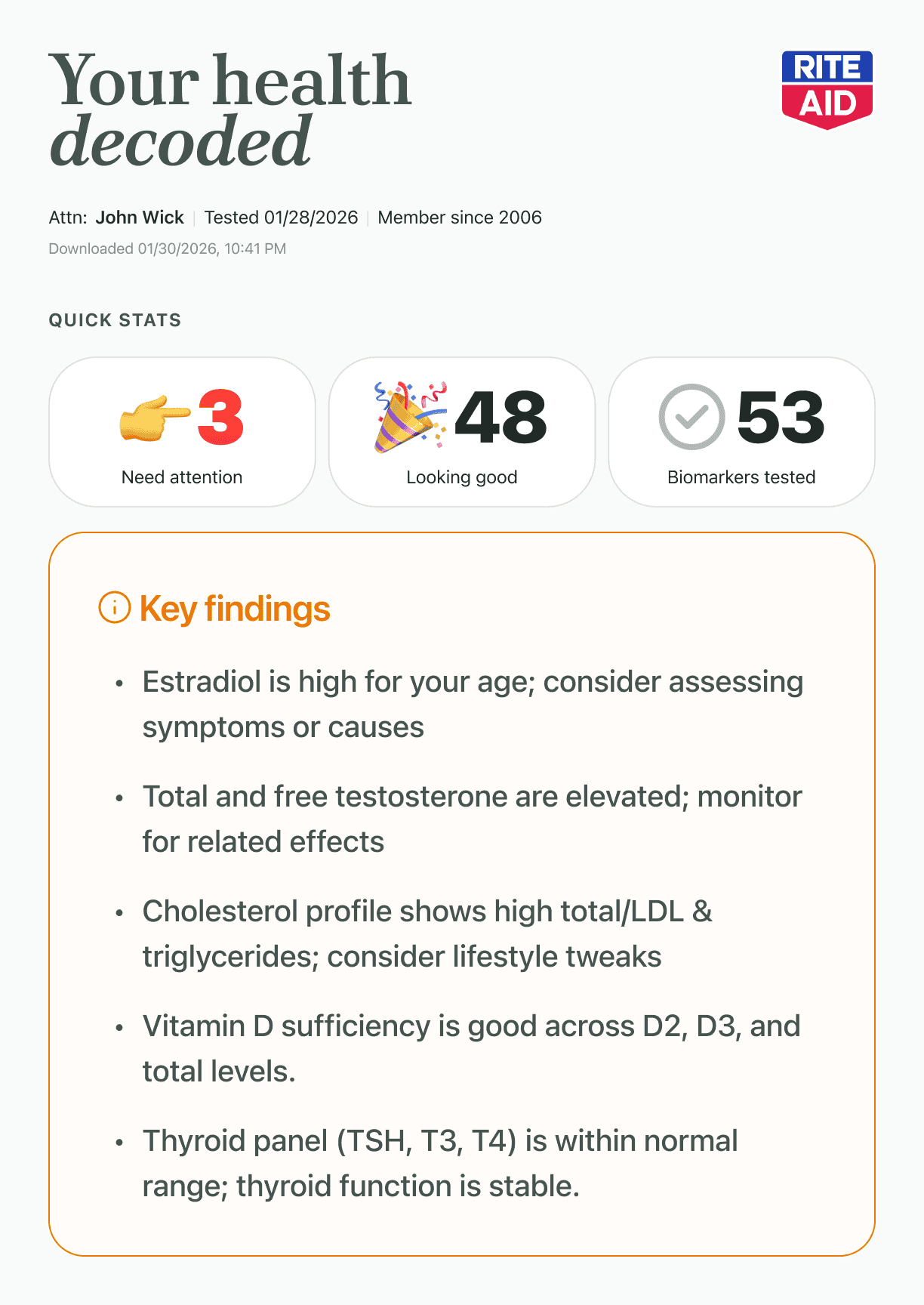
Results you can actually read.
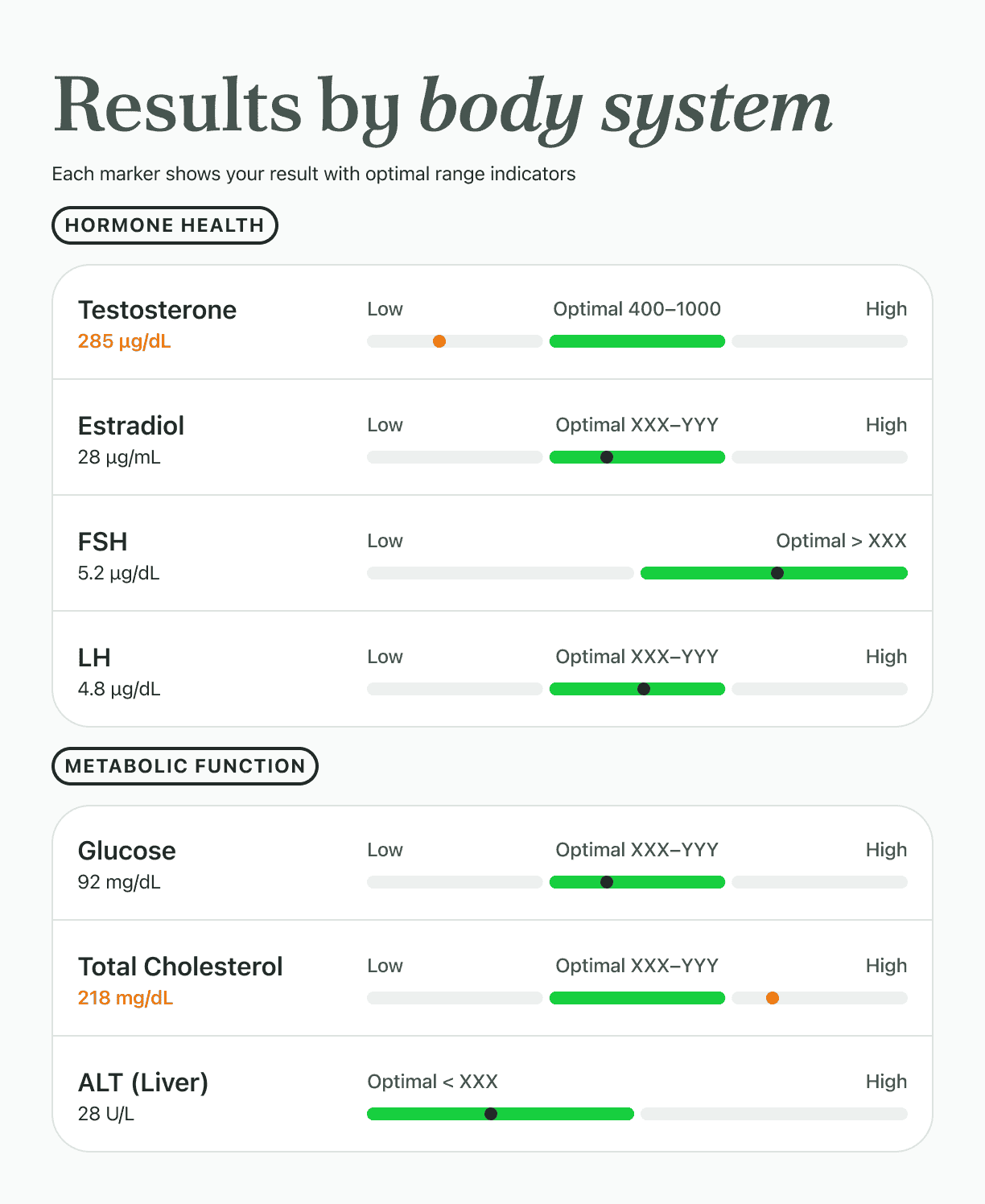
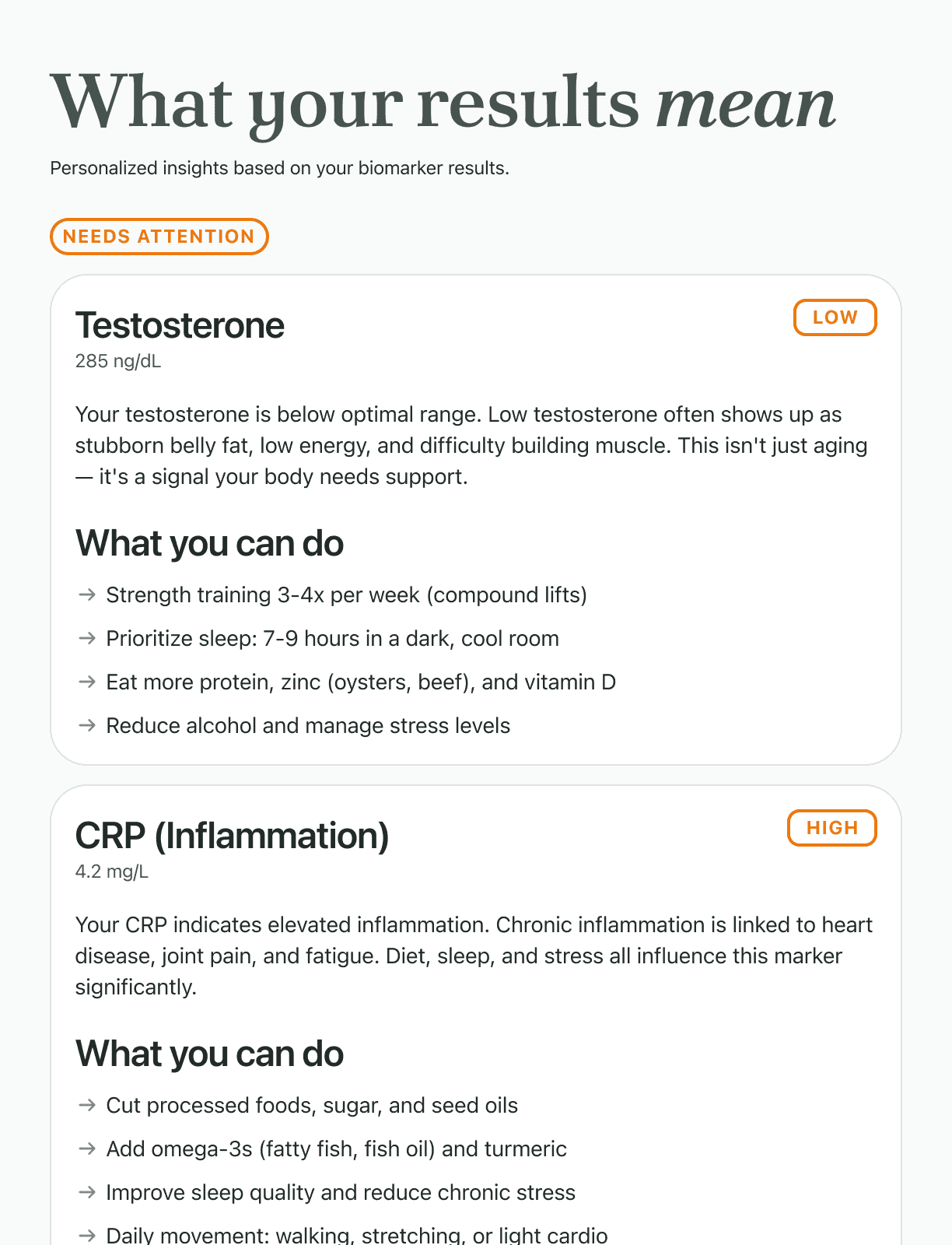
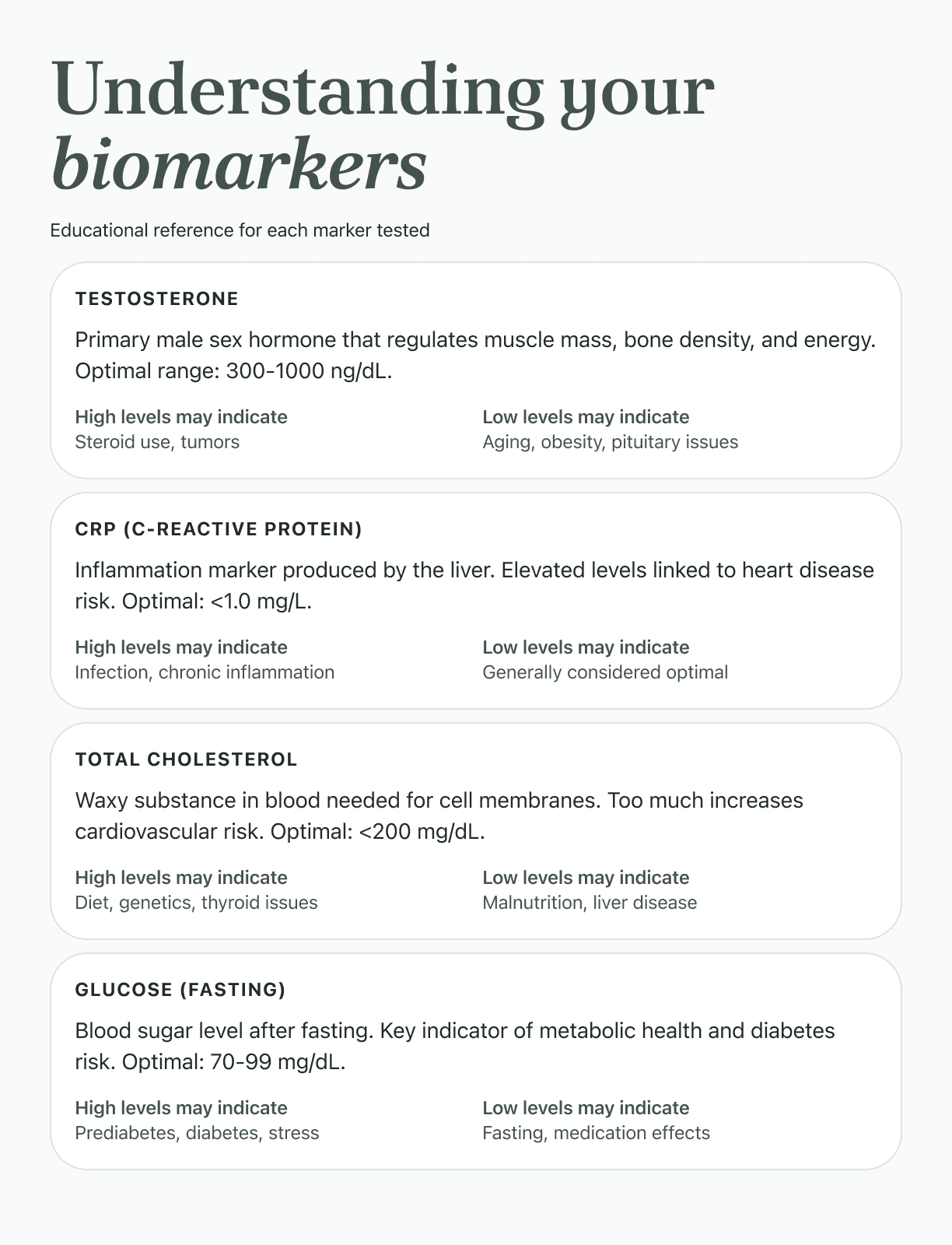
Your results aren't just a number in a table. Each marker comes with a plain-English explanation and your result highlighted against the reference range. If anything falls outside normal, you'll see a note on what that typically means.
- Reference ranges shown for every marker
- Plain-English explanations, not medical jargon
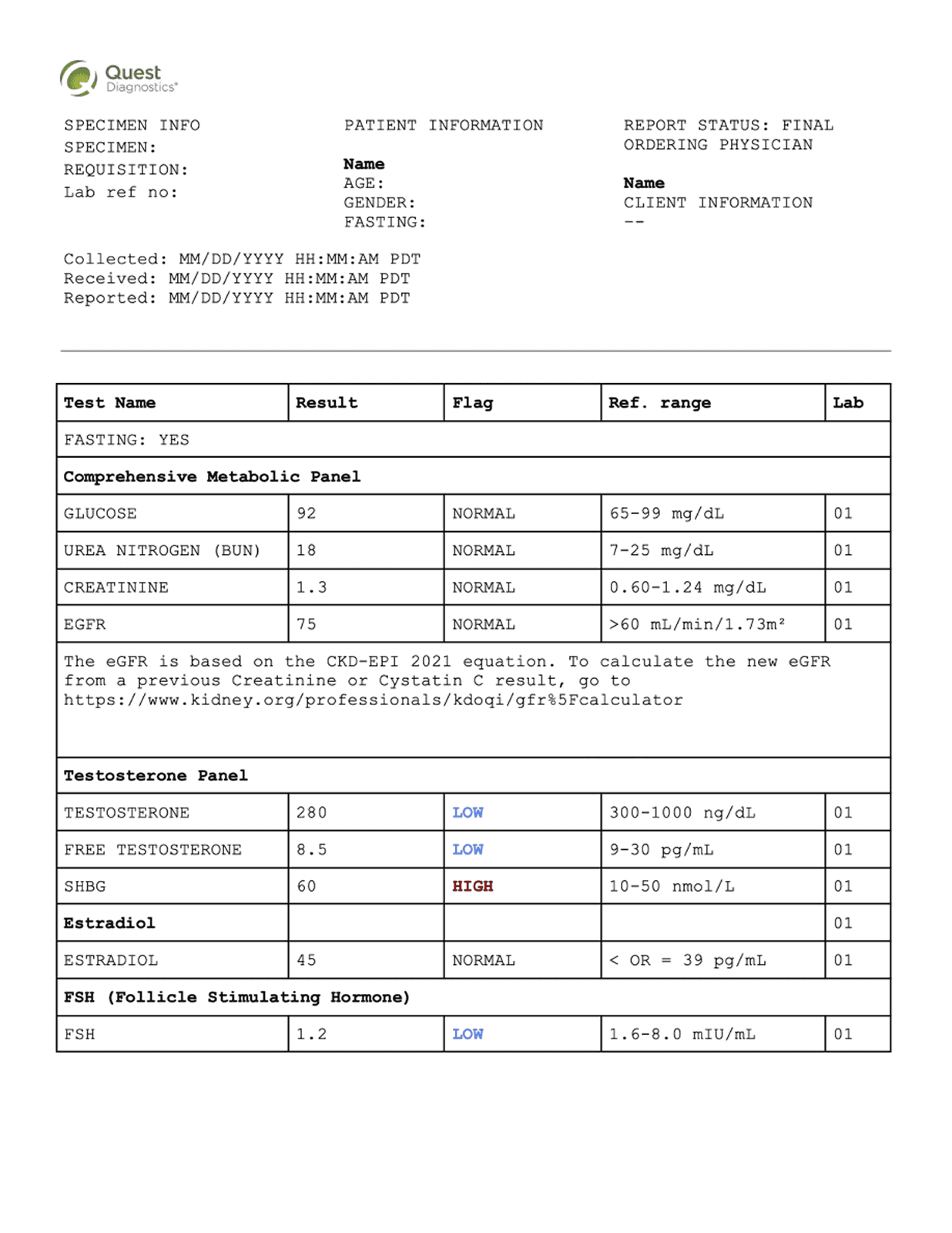
- Downloadable as a PDF to share with your doctor
- Reviewed by a licensed physician before delivery
Results
what your report will look like


What makes this different from a standard doctor's visit
No doctor's visit required
All tests are physician-ordered on your behalf. You get clinical-grade diagnostics without a referral or prior appointment.
The same labs your doctor uses
Every blood draw is processed at Quest Diagnostics. The same facilities hospitals and clinics use nationwide. The science is identical. The experience is simpler.
Your results, your data
Results are private and belong to you. Download them, share with your own doctor, or keep them confidential. The choice is yours.
Physician-reviewed results
A licensed physician reviews your panel before results are released to you. If critical values are found, you'll be contacted directly.
Frequently asked questions
Text us at 863-270-9911 and we'll respond within a few hours.
No. When you purchase this test, a physician associated with our network reviews your order and issues the lab requisition on your behalf. You don't need a prior doctor's visit or referral.
This is a direct-pay test, priced to be accessible without insurance. Because you're paying directly, the cost is often lower than your insurance copay for a comparable physician-ordered panel. We provide an itemized receipt you can submit for HSA/FSA reimbursement.
The blood draw process and lab analysis are identical. Same CLIA-certified Quest Diagnostics facilities, same testing methodology. The difference is access. You order directly, skip the office visit, and get results faster.
A licensed physician reviews every panel before results are released. If any critical values are found, you'll receive a direct phone call before your results are posted. For out-of-range results that aren't critical, your results will include clear guidance on what the finding typically means and what next steps to consider.
Yes. Results are available as a PDF download from your portal. They're formatted in the standard lab report format your physician will recognize. Many people use these results to have a more informed conversation at their next appointment.
Your results are stored securely in a HIPAA-compliant system and are not shared with your insurance company, employer, or any third party without your explicit consent.